


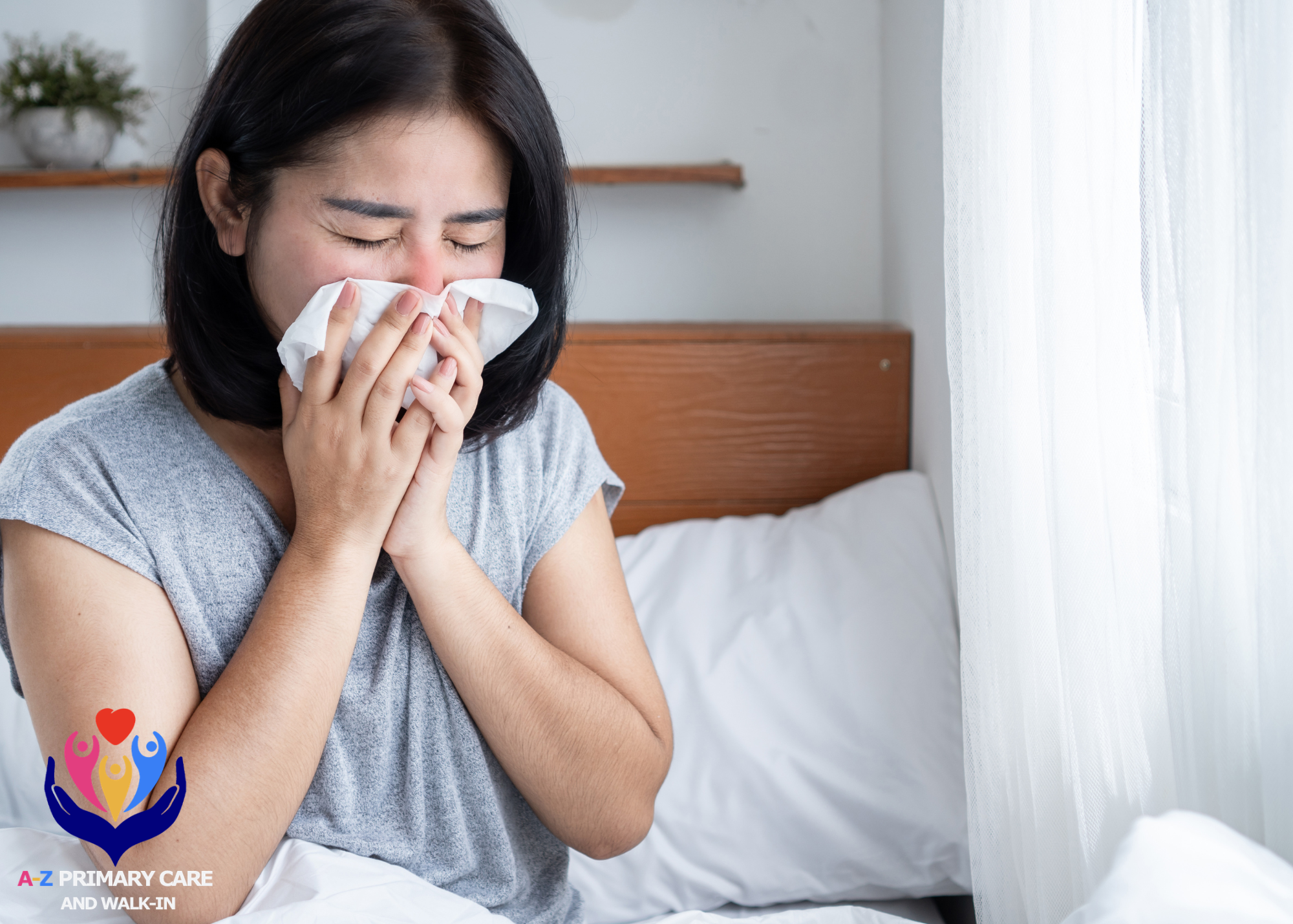
A scratchy throat. A runny nose. Body aches. A lingering cough.
When you’re feeling under the weather, it can be difficult to know whether you have a common cold, the flu, RSV, COVID-19, seasonal allergies, or another illness. Because many respiratory infections share similar symptoms, it’s not always possible to tell the difference based on symptoms alone.
Knowing what to watch for—and when it’s time to seek medical care—can help you recover more quickly while preventing complications and protecting those around you.
Why So Many Illnesses Feel the Same
Many respiratory viruses affect the nose, throat, and lungs, which is why they often cause overlapping symptoms like:
- Cough
- Sore throat
- Runny or stuffy nose
- Fever
- Fatigue
- Headache
- Body aches
According to the Centers for Disease Control and Prevention (CDC), symptoms alone may not distinguish a cold from influenza, COVID-19, or RSV, and testing may be needed in some situations. (CDC)
Common Cold: Usually Mild and Gradual
The common cold is typically caused by viruses such as rhinoviruses and usually develops gradually over a day or two.
Common Cold Symptoms
- Runny or stuffy nose
- Sneezing
- Mild sore throat
- Mild cough
- Mild headache
- Mild body aches
- Low-grade fever (or no fever in most adults)
Colds generally peak within two to three days and improve within about one week, although a cough can linger longer. (CDC)
Most Colds Can Be Managed at Home
Treatment usually includes:
- Rest
- Drinking plenty of fluids
- Over-the-counter medications for symptom relief
- Saline nasal spray
- Warm tea or soup
- Using a humidifier
Antibiotics do not treat viral colds.
Influenza (Flu): Symptoms Often Hit Suddenly
Unlike a cold, the flu often comes on quickly.
You may feel perfectly fine one day and wake up the next with significant symptoms.
Common Flu Symptoms
- High fever
- Chills
- Severe body aches
- Headache
- Extreme fatigue
- Dry cough
- Sore throat
- Runny or stuffy nose
The CDC notes that influenza symptoms are generally more severe than those of a common cold and begin more abruptly. (CDC)
Flu Treatment
For people at higher risk of complications—including adults 65 and older, pregnant individuals, and those with chronic medical conditions—prescription antiviral medications may help shorten illness and reduce the risk of serious complications.
These medications work best when started within 48 hours of symptom onset. (CDC)
Could It Be RSV?
Respiratory Syncytial Virus (RSV) is commonly associated with infants, but adults can also become infected.
RSV Symptoms
- Runny nose
- Congestion
- Persistent cough
- Sneezing
- Fever
- Wheezing
- Decreased appetite
Older adults and people with weakened immune systems are at greater risk for severe RSV illness. (CDC)
COVID-19 Can Look Similar, Too
COVID-19 symptoms vary widely and often overlap with both colds and influenza.
Possible symptoms include:
- Fever
- Cough
- Fatigue
- Sore throat
- Congestion
- Headache
- Body aches
- Shortness of breath
- Loss of taste or smell (less common than earlier variants)
Because symptoms overlap significantly, testing may be the only reliable way to determine which virus is causing your illness. (CDC)
What About Seasonal Allergies?
Not every sniffle is an infection.
Seasonal allergies are more likely to cause:
- Sneezing
- Itchy eyes
- Clear runny nose
- Nasal congestion
- Itchy throat
Unlike viral illnesses, allergies generally do not cause:
- Fever
- Body aches
- Chills
If symptoms occur around the same time every year and improve with allergy medications, allergies may be the cause.
Cold vs. Flu: Quick Comparison
| Symptom | Common Cold | Flu |
|---|---|---|
| Symptom onset | Gradual | Sudden |
| Fever | Rare or low-grade | Common |
| Body aches | Mild | Often severe |
| Fatigue | Mild | Significant |
| Cough | Mild to moderate | Often more severe |
| Runny nose | Very common | Sometimes |
| Chills | Rare | Common |
Remember, this table is only a general guide. Many illnesses overlap, and testing may be needed for an accurate diagnosis.
When Should You See a Doctor?
Many viral illnesses improve with home care, but some symptoms should prompt a medical evaluation.
Contact your healthcare provider if you have:
- Fever lasting more than three days
- Symptoms that improve and then suddenly worsen
- Persistent cough lasting more than two weeks
- Severe sore throat with difficulty swallowing
- Ear pain
- Sinus pain lasting more than 10 days
- Dehydration
- Ongoing vomiting
- Symptoms that are not improving after about a week
People at higher risk of complications—including older adults, pregnant individuals, young children, and people with chronic health conditions—should contact their healthcare provider promptly if flu-like symptoms develop, since antiviral treatment may be appropriate. (CDC)
When to Seek Emergency Medical Care
Some symptoms require immediate medical attention.
Go to the nearest emergency department or call 911 if you experience:
- Difficulty breathing
- Chest pain or pressure
- Blue lips or face
- Confusion
- Severe dehydration
- Difficulty staying awake
- Persistent high fever with worsening symptoms
- Sudden dizziness or fainting
These warning signs can indicate serious complications that should not be treated at home. (CDC)
How to Feel Better at Home
If your symptoms are mild, supportive care may help you recover more comfortably.
Get Plenty of Rest
Sleep allows your immune system to focus on fighting infection.
Stay Hydrated
Drink water, electrolyte beverages, broth, or herbal tea to replace lost fluids.
Manage Fever and Aches
Over-the-counter medications such as acetaminophen or ibuprofen may help reduce fever and relieve discomfort when used as directed.
Eat Nutritious Foods
Even if your appetite is reduced, try eating light, nutritious meals when possible.
Protect Others
The CDC recommends staying home while you are sick. Once your symptoms are improving overall and you’ve been fever-free for at least 24 hours without fever-reducing medication, you can generally resume normal activities while taking extra precautions for several more days to reduce the risk of spreading illness. (CDC)
Can Primary Care Help?
Absolutely.
Your primary care provider can:
- Evaluate your symptoms
- Determine whether testing is appropriate
- Recommend the most effective treatment
- Prescribe antiviral medications when indicated
- Monitor for complications
- Help manage underlying chronic conditions that may increase your risk of severe illness
Getting evaluated early may help shorten your illness and prevent more serious complications, especially if you’re at higher risk.
Tips to Help Prevent Respiratory Illness
While it’s impossible to avoid every virus, these habits can lower your risk:
- Wash your hands frequently.
- Avoid touching your face.
- Stay home when you’re sick.
- Cover coughs and sneezes.
- Get recommended seasonal vaccines, including influenza and COVID-19 when appropriate.
- Eat a balanced diet and stay hydrated.
- Prioritize quality sleep.
- Manage stress and stay physically active.
Healthy lifestyle habits help support a strong immune system year-round.
The Bottom Line
Colds, influenza, RSV, COVID-19, and allergies can all cause similar symptoms, making it difficult to know exactly what’s causing your illness. While many viral infections improve with rest and supportive care, persistent or worsening symptoms—and symptoms in people at higher risk—should never be ignored.
If you’re unsure whether your symptoms require medical attention, it’s always better to speak with a healthcare provider. Early evaluation can help identify the cause of your illness, guide treatment, and reduce the risk of complications.
Schedule an Appointment at A-Z Primary Care
Feeling sick and not sure whether it’s a cold, the flu, or something else? The experienced team at A-Z Primary Care is here to help with prompt evaluation, personalized treatment, and compassionate care for patients of all ages.
To schedule a consultation, visit www.azprimaryclinic.com or call 281-801-4287 today.
Additional Resources
- CDC – Cold Versus Flu: https://www.cdc.gov/flu/about/coldflu.html (CDC)
- CDC – About the Common Cold: https://www.cdc.gov/common-cold/about/ (CDC)
- CDC – Manage Common Cold: https://www.cdc.gov/common-cold/treatment/ (CDC)
- CDC – Symptoms and Care of RSV: https://www.cdc.gov/rsv/symptoms/ (CDC)
- CDC – Treating Flu with Antiviral Drugs: https://www.cdc.gov/flu/treatment/antiviral-drugs.html (CDC)