


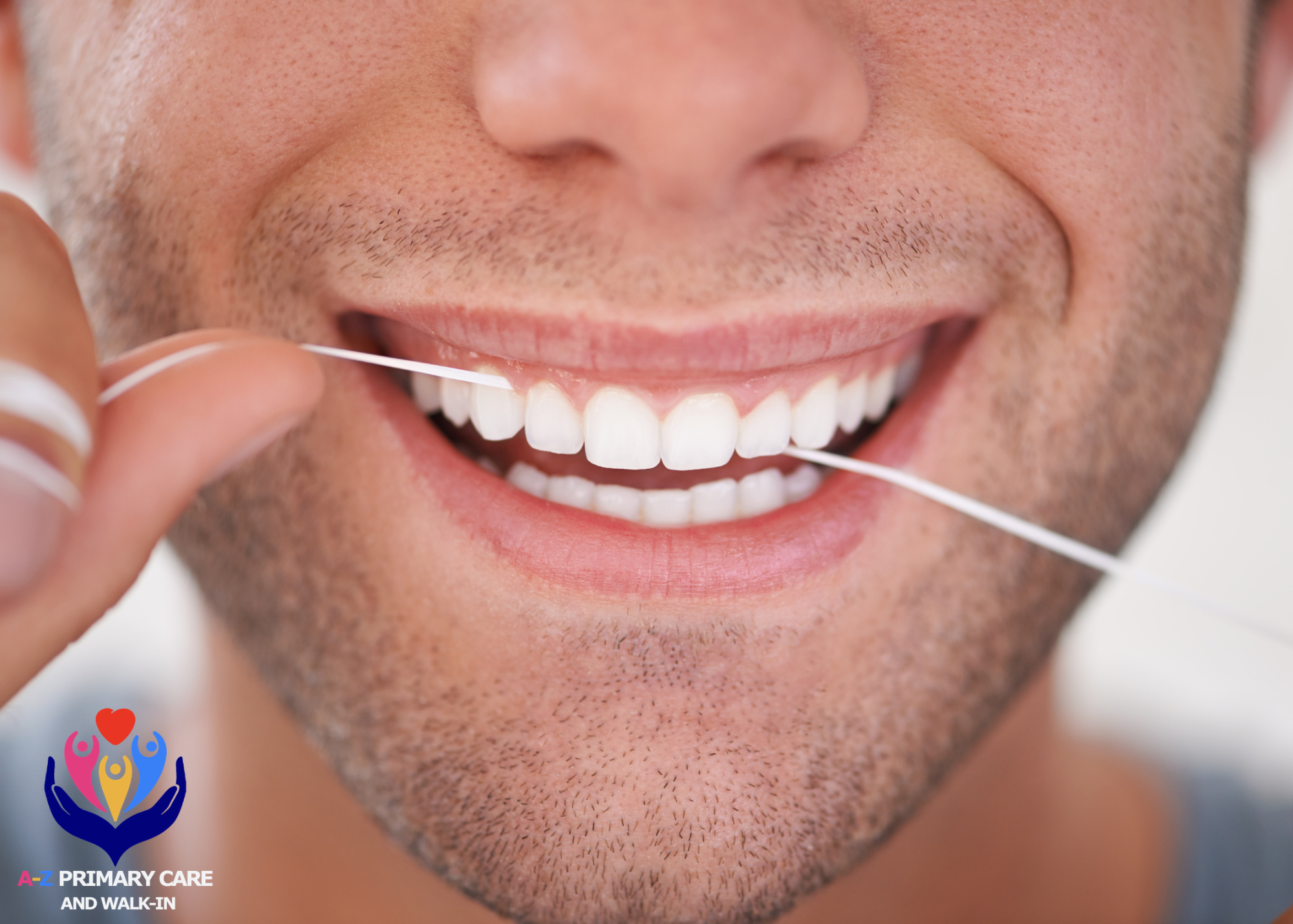
When you think about staying healthy, brushing and flossing may not be the first habits that come to mind. However, your oral health is about much more than having a bright smile—it can provide valuable insight into your overall health and may even influence certain chronic conditions.
The mouth is often called the “gateway to the body,” and for good reason. Your oral health and general health are closely connected through inflammation, bacteria, and the body’s immune system. While researchers are still studying exactly how these relationships work, there is strong evidence that maintaining good oral health is an important part of supporting overall wellness. (ADA)
Why Oral Health Matters
Oral health includes the health of your:
- Teeth
- Gums
- Tongue
- Jaw
- Salivary glands
- Soft tissues of the mouth
According to the Centers for Disease Control and Prevention (CDC), common oral health conditions include tooth decay, gum disease (periodontal disease), oral cancers, and tooth loss. These conditions can affect your ability to eat, speak, and maintain a good quality of life. (CDC)
The Oral-Systemic Health Connection
Your mouth naturally contains hundreds of different types of bacteria. Most are harmless when kept under control through good oral hygiene.
However, when plaque builds up and gum disease develops, harmful bacteria and inflammation can increase. Researchers have found associations between poor oral health and several chronic health conditions, although these relationships do not necessarily prove that one condition directly causes another. (ADA)
Gum Disease and Heart Health
One of the most researched connections is between periodontal (gum) disease and cardiovascular health.
Studies have found that people with gum disease are more likely to have cardiovascular disease. Researchers believe chronic inflammation and oral bacteria may contribute to this relationship, though more research is needed to determine the exact cause-and-effect relationship. (CDC)
This doesn’t mean gum disease causes heart disease, but maintaining healthy gums is one important part of supporting overall heart health.
Diabetes and Oral Health: A Two-Way Relationship
The connection between diabetes and oral health is especially well established.
According to the National Institute of Dental and Craniofacial Research (NIDCR):
- People with diabetes have a higher risk of developing gum disease.
- High blood sugar can make it harder for the body to fight infections.
- Gum disease can make blood sugar more difficult to control.
This means managing diabetes and maintaining good oral hygiene work hand in hand. (NIDCR)
Oral Health During Pregnancy
Pregnancy causes hormonal changes that can make gums more sensitive to plaque, increasing the risk of pregnancy gingivitis.
Maintaining healthy teeth and gums during pregnancy is important because untreated dental problems may affect nutrition, comfort, and overall maternal health. Dental care and routine cleanings are generally considered safe during pregnancy, and patients should discuss any concerns with both their dentist and healthcare provider. (ADA)
Your Mouth Can Reveal Other Health Problems
Sometimes, your dentist or primary care provider may notice signs of a medical condition before other symptoms develop.
Changes in the mouth may be associated with:
- Vitamin deficiencies
- Autoimmune diseases
- Diabetes
- Certain infections
- Dry mouth caused by medications
- Oral cancer
This is one reason regular dental and medical checkups are both important.
How Poor Oral Health Can Affect Daily Life
Even when it isn’t linked to a chronic illness, poor oral health can significantly affect your everyday well-being.
It may lead to:
- Tooth pain
- Difficulty chewing
- Bad breath
- Trouble speaking
- Sleep disturbances
- Lower self-confidence
- Missed work or school
The CDC notes that tooth loss and untreated oral disease can limit food choices, reduce nutrition, and negatively affect quality of life. (CDC)
Signs You Shouldn’t Ignore
Schedule an appointment with your dentist if you notice:
- Bleeding gums
- Persistent bad breath
- Swollen or tender gums
- Loose teeth
- Tooth sensitivity
- Pain while chewing
- Mouth sores that don’t heal within two weeks
These symptoms may indicate gum disease or another oral health condition that should be evaluated.
Healthy Habits That Protect Your Whole Body
Supporting your oral health doesn’t have to be complicated.
Here are a few simple habits that make a big difference:
Brush Twice Daily
Use a fluoride toothpaste and brush for at least two minutes, twice a day.
Floss Every Day
Flossing removes plaque and food particles from areas your toothbrush can’t reach.
Eat a Balanced Diet
Limit sugary drinks and snacks while choosing foods rich in fruits, vegetables, lean proteins, dairy, and whole grains.
Stay Hydrated
Drinking water helps wash away food particles and supports healthy saliva production.
Avoid Tobacco Products
Smoking and smokeless tobacco significantly increase the risk of gum disease, tooth loss, and oral cancer.
Visit Your Dentist Regularly
Routine dental exams and professional cleanings help detect problems early and prevent more serious complications.
Don’t Forget Your Primary Care Provider
Your dentist focuses on your oral health, but your primary care provider looks at the bigger picture.
If you’re experiencing:
- Persistent fatigue
- High blood pressure
- Diabetes
- Heart disease
- Chronic inflammation
- Frequent infections
Your primary care provider can help manage these conditions while coordinating care with your dental team when appropriate.
Taking care of your oral health is one important part of maintaining your overall wellness.
The Bottom Line
A healthy smile is about more than appearance. Your mouth can provide important clues about your overall health, and maintaining good oral hygiene may support your long-term well-being.
While research continues to explore the connection between oral health and systemic diseases, one thing is clear: brushing, flossing, regular dental visits, and routine medical care all play an important role in preventive health.
By making oral health part of your wellness routine, you’re investing in your overall quality of life.
Schedule Your Wellness Visit at A-Z Primary Care
If you’re managing diabetes, high blood pressure, heart disease, or simply want to stay proactive about your health, regular primary care visits are an essential part of your wellness plan.
The experienced team at A-Z Primary Care provides comprehensive preventive care, chronic disease management, and personalized healthcare for patients of all ages.
To schedule a consultation, visit www.azprimaryclinic.com or call 281-801-4287.
Additional Resources
- American Dental Association – Oral-Systemic Health: https://www.ada.org/resources/ada-library/oral-health-topics/oral-systemic-health (ADA)
- CDC – About Oral Health: https://www.cdc.gov/oral-health/about/ (CDC)
- CDC – About Periodontal (Gum) Disease: https://www.cdc.gov/oral-health/about/gum-periodontal-disease.html (CDC)
- National Institute of Dental and Craniofacial Research – Diabetes and Oral Health: https://www.nidcr.nih.gov/health-info/diabetes (NIDCR)
- CDC – Oral Health and Diabetes: https://www.cdc.gov/diabetes/diabetes-complications/diabetes-and-oral-health.html (CDC)