


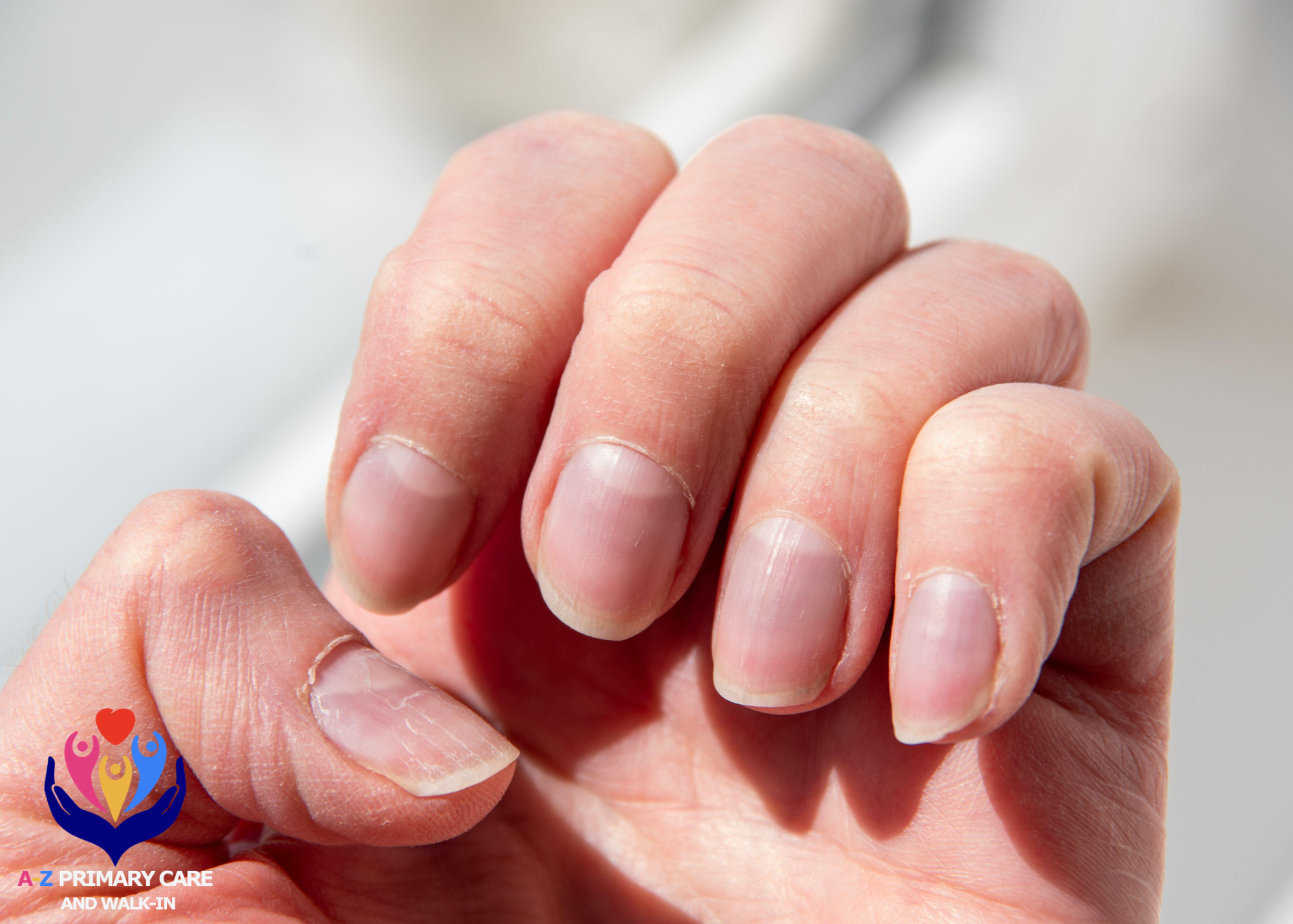
Most people think of their fingernails and hair as cosmetic features, but they can also provide valuable clues about what’s happening inside the body. During a routine physical exam, your primary care provider may notice changes in your nails or hair that could point to nutritional deficiencies, hormonal imbalances, autoimmune disorders, infections, or other underlying health conditions.
While changes in your hair or nails don’t always indicate a serious problem, they can be important pieces of the puzzle when combined with your symptoms, medical history, and physical examination.
Here’s what your fingernails and hair may be telling your doctor—and when it’s time to schedule an appointment.
Why Doctors Examine Your Hair and Nails
Your hair and nails are made primarily of keratin, a protein produced by your body. Because they grow slowly over time, they often reflect changes in your health that occurred weeks or even months earlier.
Healthcare providers look for changes in:
- Color
- Texture
- Thickness
- Growth patterns
- Shape
- Strength
These observations alone don’t diagnose a disease, but they can provide helpful clues that lead to additional evaluation or testing. According to the Mayo Clinic, fingernails can act as a “window to your health,” with certain changes signaling medical conditions that deserve further attention. (Mayo Clinic News Network)
Brittle Nails May Point to More Than Dry Hands
Brittle or splitting nails are common, especially as we age or after frequent exposure to water and cleaning products.
However, brittle nails may also be associated with:
- Iron deficiency
- Thyroid disorders
- Nutritional deficiencies
- Certain skin conditions
- Repeated chemical exposure
Your doctor will consider your symptoms, diet, medications, and medical history before deciding whether additional testing is needed.
Spoon-Shaped Nails Can Signal Iron Deficiency
Nails that curve upward with a shallow, spoon-like appearance—a condition called koilonychia—may sometimes be associated with iron-deficiency anemia.
Other symptoms of iron deficiency may include:
- Fatigue
- Pale skin
- Shortness of breath
- Dizziness
- Weakness
A simple blood test can often determine whether iron deficiency is contributing to your symptoms.
Yellow Nails Aren’t Always Just Nail Polish
Yellow nails are commonly caused by:
- Nail fungus
- Frequent use of dark nail polish
- Smoking
In some cases, however, thickened yellow nails may be associated with certain lung diseases, lymphatic disorders, or other medical conditions. Persistent changes should be evaluated by a healthcare professional. The American Academy of Dermatology recommends medical evaluation for nails that become yellow, thicken, or stop growing normally. (American Academy of Dermatology)
White Spots Usually Aren’t a Calcium Deficiency
One of the most common nail myths is that white spots mean you need more calcium.
In reality, small white spots are most often caused by minor injury to the nail matrix, such as bumping your finger or picking at your cuticles. They typically grow out with the nail and are usually harmless. (Wikipedia)
Dark Streaks Should Never Be Ignored
A new dark brown or black streak running from the cuticle to the tip of the nail should always be evaluated promptly.
While many dark streaks are harmless, they can occasionally be a sign of subungual melanoma, a rare but serious form of skin cancer.
Early evaluation is important because treatment is most effective when melanoma is detected early. The American Academy of Dermatology advises having unexplained changes in nail color, shape, or texture examined by a physician. (American Academy of Dermatology)
Nail Clubbing Can Be a Clue to Underlying Illness
“Nail clubbing” occurs when the fingertips enlarge and the nails curve downward around the fingertips.
Although uncommon, clubbing may be associated with:
- Chronic lung disease
- Certain heart conditions
- Inflammatory bowel disease
- Other chronic illnesses
Because clubbing develops gradually, people often don’t notice the change themselves.
Hair Loss Can Have Many Causes
Losing some hair every day is normal. In fact, most people shed 50 to 100 hairs daily as part of the natural hair growth cycle.
However, sudden or excessive hair loss may be linked to:
- Thyroid disorders
- Iron deficiency
- Hormonal changes
- Certain medications
- Autoimmune diseases
- Significant illness or surgery
- Emotional or physical stress
Your primary care provider can help determine whether additional evaluation is needed.
Stress Can Affect Your Hair
Major life events—including childbirth, surgery, severe illness, or emotional stress—can trigger a temporary condition called telogen effluvium, in which more hairs than usual enter the shedding phase.
Hair loss often begins two to three months after the stressful event and typically improves over time as the body recovers.
Dry, Brittle Hair May Reflect Nutritional or Hormonal Changes
Hair that suddenly becomes dry, fragile, or breaks easily may sometimes be associated with:
- Thyroid disease
- Iron deficiency
- Poor nutrition
- Certain medications
- Excessive heat or chemical treatments
Your doctor may recommend laboratory testing if these changes occur along with other symptoms.
Changes in Hair Growth
Unexpected changes in hair growth patterns can also provide useful information.
Examples include:
Excess Facial or Body Hair
May be associated with hormonal conditions such as:
- Polycystic ovary syndrome (PCOS)
- Certain adrenal disorders
- Medication side effects
Hair Thinning on the Scalp
May result from:
- Genetics
- Hormonal changes
- Aging
- Nutritional deficiencies
- Chronic illness
Your provider can help distinguish between normal age-related changes and conditions requiring treatment.
What Your Doctor May Ask
If you report changes in your nails or hair, your healthcare provider may ask about:
- Recent illnesses
- Weight changes
- Stress levels
- Diet
- Medications
- Family history
- Menstrual history (when appropriate)
- Thyroid symptoms
- Recent pregnancy or childbirth
Depending on your symptoms, they may recommend blood work to check for conditions such as anemia, thyroid disease, vitamin deficiencies, or other underlying health concerns.
Healthy Habits for Strong Hair and Nails
While some changes are unavoidable, healthy lifestyle habits can support stronger hair and nails.
Try to:
- Eat a balanced diet rich in protein, iron, fruits, and vegetables.
- Stay hydrated.
- Avoid smoking.
- Limit harsh chemical treatments.
- Wear gloves when using cleaning products.
- Keep nails clean and trimmed.
- Avoid biting your nails or picking at your cuticles.
The CDC also recommends keeping fingernails short and clean to reduce the risk of infection and improve hand hygiene. (CDC)
When Should You See a Doctor?
Schedule an appointment if you notice:
- Sudden or excessive hair loss
- New dark streaks on a nail
- Nails that become thick, yellow, or separate from the nail bed
- Persistent brittle nails
- Spoon-shaped nails
- Clubbing of the fingertips
- Hair loss accompanied by fatigue, weight changes, or other symptoms
- Mouth sores, skin changes, or unexplained rashes occurring with nail or hair changes
While many nail and hair changes are harmless, persistent or unusual changes deserve a professional evaluation.
The Importance of Routine Primary Care
Your fingernails and hair may seem like small details, but they can sometimes provide early clues to larger health concerns. That’s one reason routine physical exams are so valuable—your primary care provider looks at the whole picture, not just individual symptoms.
Whether you’re experiencing hair loss, nail changes, fatigue, or simply want to stay proactive about your health, regular checkups can help detect medical conditions early and keep you feeling your best.
Schedule Your Wellness Visit at A-Z Primary Care
If you’ve noticed changes in your hair, nails, or overall health, don’t ignore them. The compassionate team at A-Z Primary Care offers comprehensive wellness exams, preventive care, and personalized treatment to help identify and address potential health concerns.
To schedule a consultation, visit www.azprimaryclinic.com or call 281-801-4287 today.
Additional Resources
- Mayo Clinic – What Can Fingernails Reveal About Health?
https://newsnetwork.mayoclinic.org/discussion/fingernails-are-a-window-to-your-health/ (Mayo Clinic News Network) - American Academy of Dermatology – Nail Changes a Dermatologist Should Examine
https://www.aad.org/public/everyday-care/nail-care-secrets/basics/nail-changes-dermatologist-should-examine (American Academy of Dermatology) - CDC – Healthy Habits: Nail Hygiene
https://www.cdc.gov/hygiene/about/nail-hygiene.html (CDC) - National Library of Medicine – Nail Health in Women
https://pmc.ncbi.nlm.nih.gov/articles/PMC7105659/ (pmc.ncbi.nlm.nih.gov)